
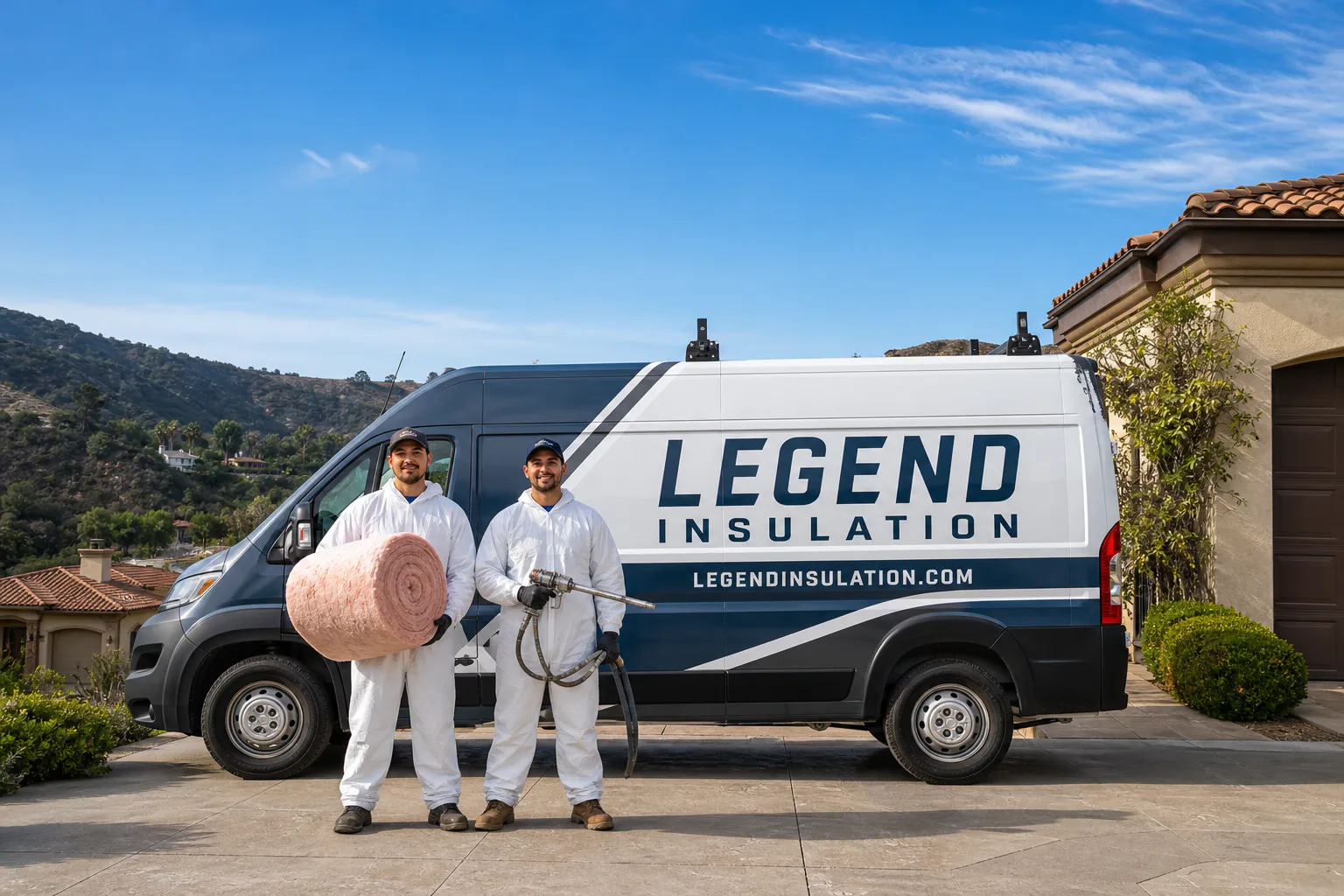
Fast, Reliable Attic Insulation Across Corona
Attic insulation in Corona usually costs $1,400 to $3,800 for a full retrofit, with top-ups running $700 to $1,500. We can typically get a crew to most Corona neighborhoods within one to two business days, and we stock materials locally so we’re not waiting on a warehouse in Los Angeles. Corona’s heat isn’t theoretical. When your attic hits 140°F in August, thin builder-grade insulation gives up. Our Attic Insulation team works across every Corona ZIP, and we diagnose before we quote. Call (877) 679-4725 and we’ll tell you what’s actually going on up there.
Why Legend Insulation Is Corona’s Preferred Attic Insulation Company
Homeowners in Corona tell us the same thing: the upstairs won’t cool, the AC runs all afternoon, and nobody has explained why. We fix the why. Corona is a city where a 2004 tract home off Ontario Avenue and a custom hillside build off Green River Road need completely different insulation strategies. We know the difference because we work both sides of the 15 freeway every week.
Nolan Cassidy runs our insulation crews, and his rule is simple: material-neutral recommendations. We carry eight major brands, so the spec for a 92882 postwar bungalow near the historic downtown isn’t the same as the spec for a 92883 hillside home in the wildland-urban interface. You get what the house needs, not what we happen to have on the truck.
For Corona specifically, we schedule free attic inspections with a two-hour arrival window. We measure insulation depth at multiple points, check for settled eaves, inspect bathroom fan venting, and photograph everything. You see what we see before any work is approved. That’s how we’ve built our reputation here.
Attic Cleaning Services in Corona
Attic Cleaning Services in Corona exist because desert dust doesn’t stay outside. Years of wind-driven grit, rodent droppings, and disintegrated fiberglass settle into the insulation and reduce its performance. We remove contaminated material with commercial vacuums, sanitize the decking, and prep the cavity for new insulation or a top-up. Most Corona attic cleanouts run $900 to $2,200 depending on square footage, access, and the level of contamination.
Contamination Removal and Sanitizing
Rodent activity is common in the older pockets of 92882, where mature trees and gutter lines give rats a path to the roofline. We bag and remove all contaminated insulation, treat the area, and leave the attic ready for new material. Skip this step and new insulation just sits on top of the problem.
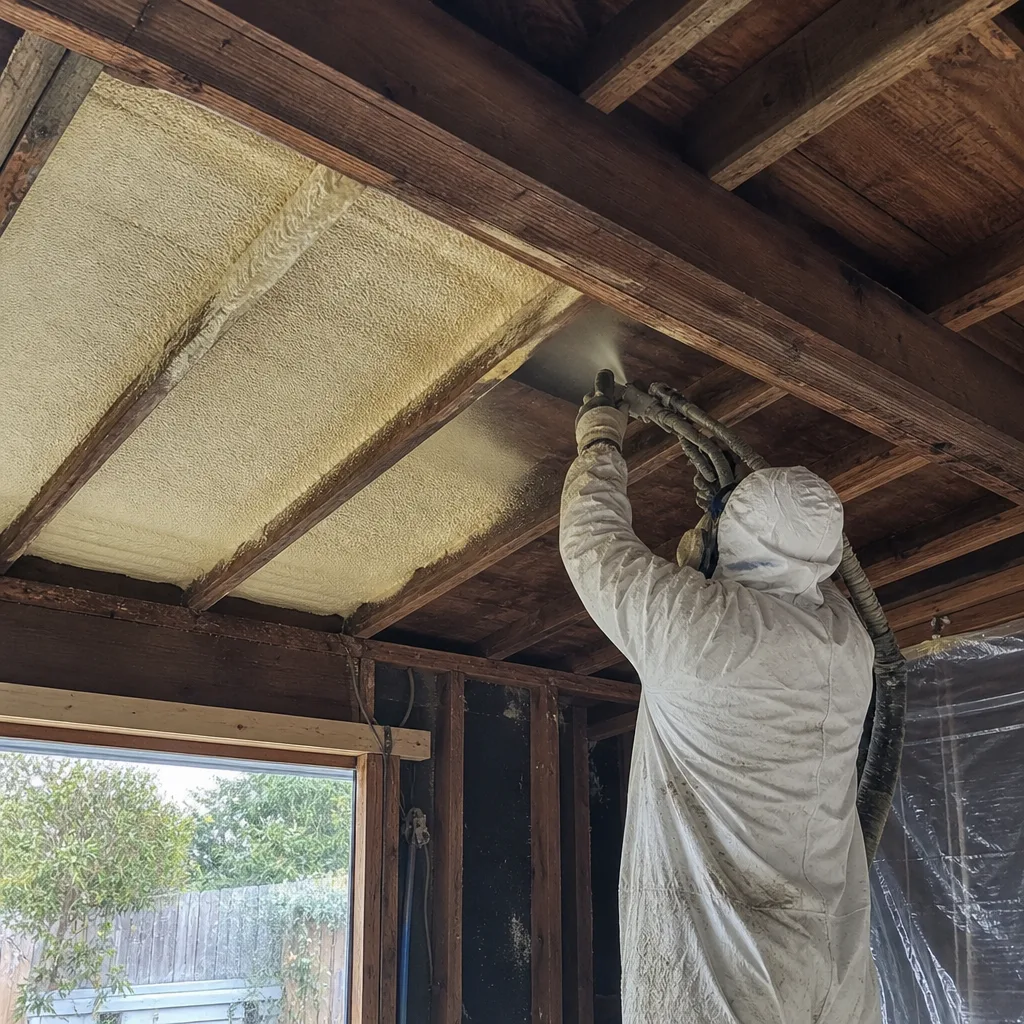
Dust and Debris Extraction Before Re-Insulation
Even in newer 92880 homes, construction debris, dust, and old batt fragments accumulate over time. We extract everything down to the decking before installing new insulation, which also gives us a clean view of any air leaks we need to seal. The difference in indoor air quality is immediate.
What happens when you call
- 1
A real person answersNo phone trees — you reach a local pro.
- 2
You get an upfront price rangeHonest numbers before anyone is dispatched.
- 3
A background-checked tech heads outLicensed & insured, dispatched right away.
- 4
You approve before work beginsNothing starts until you say go.
Attic Mold Removal in Corona
Attic Mold Removal in Corona is a service most homeowners don’t expect to need in a dry climate, but the condition shows up anyway. It typically forms when bathroom fans vent into the attic, when roof leaks go unnoticed, or when crawl-space moisture migrates upward through framing. In Corona’s heat, the attic bakes during the day and cools at night, creating condensation cycles that feed mold on the north-facing sheathing. Mold removal and disinfection in Corona attics generally runs $1,200 to $3,000 depending on the affected area.
Source Correction Before Treatment
We won’t just spray and walk away. We trace the moisture source first: a disconnected bathroom fan duct, a compromised roof boot, or missing baffles blocking soffit airflow. Fix the moisture and the mold doesn’t return. Spray alone is a temporary fix, and Corona homeowners deserve better.
Disinfection and Ventilation Verification
After removing visible growth with EPA-registered treatment, we verify that soffit vents are clear and balanced so moving air prevents future condensation. In homes along the Santa Ana River corridor in 92879 and 92882, that ventilation check matters more than people realize. The problem returns if air won’t move.
Trusted Brands We Service in Corona
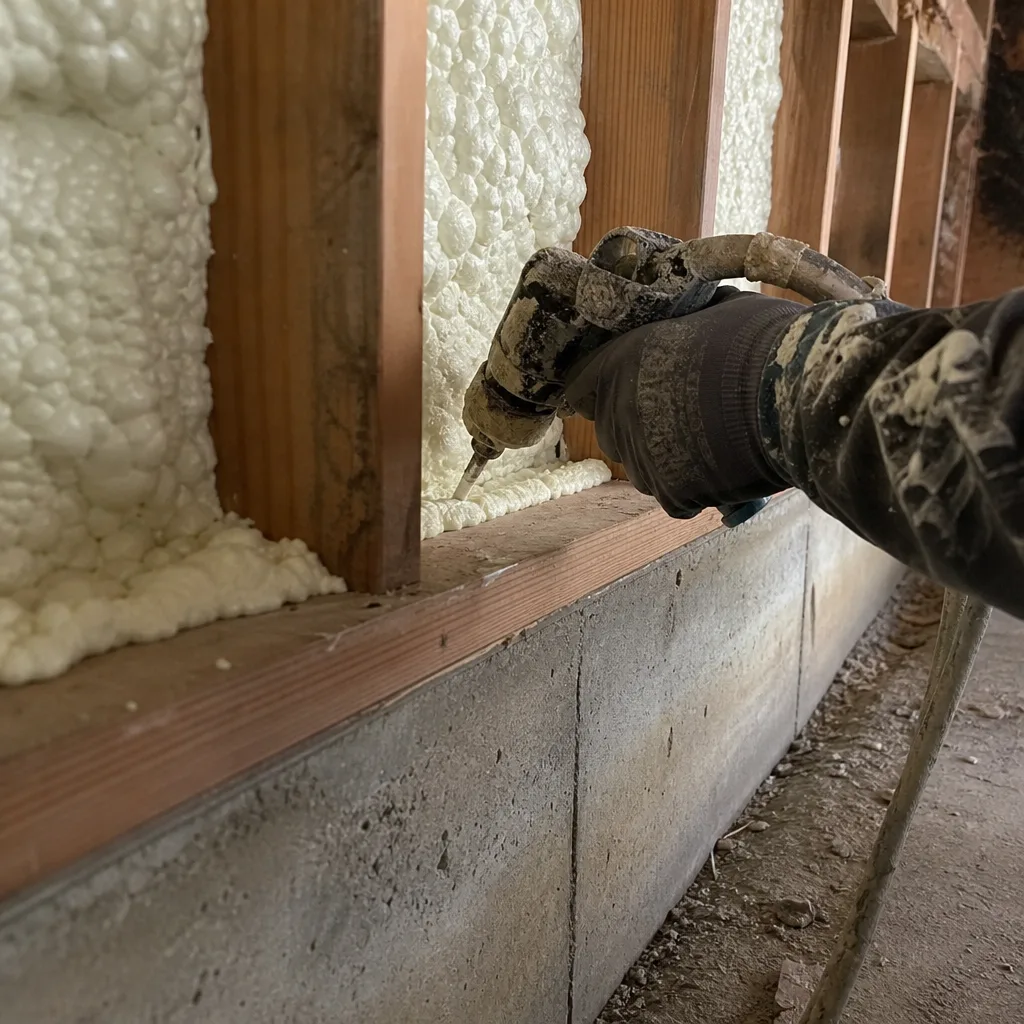
We install Rockwool for Corona homeowners who want fire-rated performance in the wildland-urban interface, and CertainTeed for those who prefer a premium fiberglass with consistent density. For severe air-sealing needs in tract homes with leaky garage ceilings, we spray Icynene closed-cell foam. Having access to all three means the recommendation comes from the house, not from our inventory. We stock common batt sizes and loose-fill supplies for Corona homes, which keeps turnaround tight when a roofer or inspector puts you on a deadline.
Common Attic Insulation Problems We See in Corona Homes
- Builder-grade fiberglass settled to R-8 or less at the eaves. In the flat-basin tracts of 92879 and 92882, two decades of 100°F+ attic heat compresses R-13 and R-19 batts into thin, useless layers at the ceiling plane. Your upstairs won’t cool because there’s no insulation left doing the job.
- Unsealed cantilever and garage-ceiling gaps. The 1980s to 2000s master-planned homes in the 92880/92881 boom corridor were built fast, with cantilevered floor cavities and garage ceilings left open. Hot attic air and dust stream straight into the living space through those gaps, making the R-value of your insulation irrelevant.
- Wildland-urban interface air leaks in hillside homes. 92883 homes toward the Santa Ana Mountains hold their insulation better than the basin floor, but unsealed attic penetrations let hot air and ember-driven winds inside during Santa Ana events. Fire-conscious sealing matters here even when the insulation looks fine.
- Missing crushed baffles blocking soffit airflow. Across every Corona ZIP, roofers and cable installers crush baffles without realizing it. Blocked soffit airflow turns an attic into an oven, which is exactly what a Corona attic doesn’t need in August.
Pricing for Attic Insulation in Corona, CA
In Corona, blown-in fiberglass attic insulation for a typical 1,800 sq ft home runs $1,600 to $2,800. Attic insulation top-ups for homes that just need a boost over existing material run $700 to $1,200. Full attic insulation replacement with air sealing runs $2,800 to $4,500 depending on access, removal needs, and whether you’re addressing mold or contamination. Attic baffles and ventilation prep add $300 to $700, but they’re the difference between insulation that works and insulation that bakes. Spray foam for air-sealing applications runs higher because the material and prep are more intensive. Call (877) 679-4725 for a line-item quote specific to your attic. Estimates are free.
We Also Serve Cities Near Corona
Legend Insulation works throughout Home Gardens, El Cerrito Corona, Eastvale, and Norco, so if you’re just across the city line from Corona, the same crew and the same material access apply. We keep our scheduling flexible for nearby neighborhoods, and we know the housing stock across this whole Inland Empire corridor. That local familiarity means faster diagnosis and fewer surprises.
Serving Corona, CA — Our Local Coverage Area
We’re based in the Corona area and know this community well. Use the map below to see our service coverage — if you’re nearby, we can almost certainly help.
FAQs About Attic Insulation in Corona
Your builder installed R-19 fiberglass, but after 20 years of Corona attic heat cycling through 140°F summers, it has likely settled to R-8 or less at the eaves, leaving the ceiling plane effectively uninsulated. We recently worked a 2003-built tract home off Foothill Parkway in the 92880 corridor with exactly this problem. The original R-19 had settled to bare R-8 at the eaves. We air-sealed the garage-ceiling and cantilever gaps, then blew Owens Corning fiberglass to R-49 and added a radiant barrier. The upstairs bonus room finally held temperature on a 105°F afternoon. Call (877) 679-4725 for a free attic inspection and we’ll measure what’s actually up there now.
No. The 92883 hillside sits at higher elevation and runs meaningfully cooler than the basin floor, so builder-grade insulation often holds its R-value fine there. The bigger issue in 92883 is air-sealing attics against wildland-urban-interface Santa Ana winds and ember intrusion. The same “won’t stay cool” complaint means a totally different diagnosis depending on which side of the 15 freeway the house sits on.
Seal every attic penetration: recessed light cans, ceiling fan boxes, vent pipes, and the gap where drywall meets top plates. In hillside homes toward the Santa Ana Mountains, embers and hot air get driven through those unsealed gaps during wind events. We also recommend Rockwool for any hillside attic that needs new insulation, because it’s non-combustible and adds a fire-resistance layer fiberglass can’t match.
Measure it. If your fiberglass batts were installed at R-19 but now measure 4 inches or less in the middle of the attic, and bare rafters are visible at the eaves, you’ve lost more than half your R-value. In Corona’s flat-basin tracts, two decades of heat cycling does exactly this. A top-up over settled material helps, but if the original insulation is compressed, dusty, or contaminated, replacement gets you back to a clean, working assembly.
Yes, and the mold is usually coming from a fixable source: a bathroom exhaust fan venting into the attic, a small roof leak, or a disconnected duct. The dry climate doesn’t prevent mold when those conditions exist. We remove contaminated material, treat the decking, correct the moisture source, and verify soffit ventilation so it doesn’t come back. Most mold removal jobs in Corona run $1,200 to $3,000 depending on the affected area.
Written by Nolan Cassidy, Owner at Legend Insulation, serving Corona and surrounding cities.